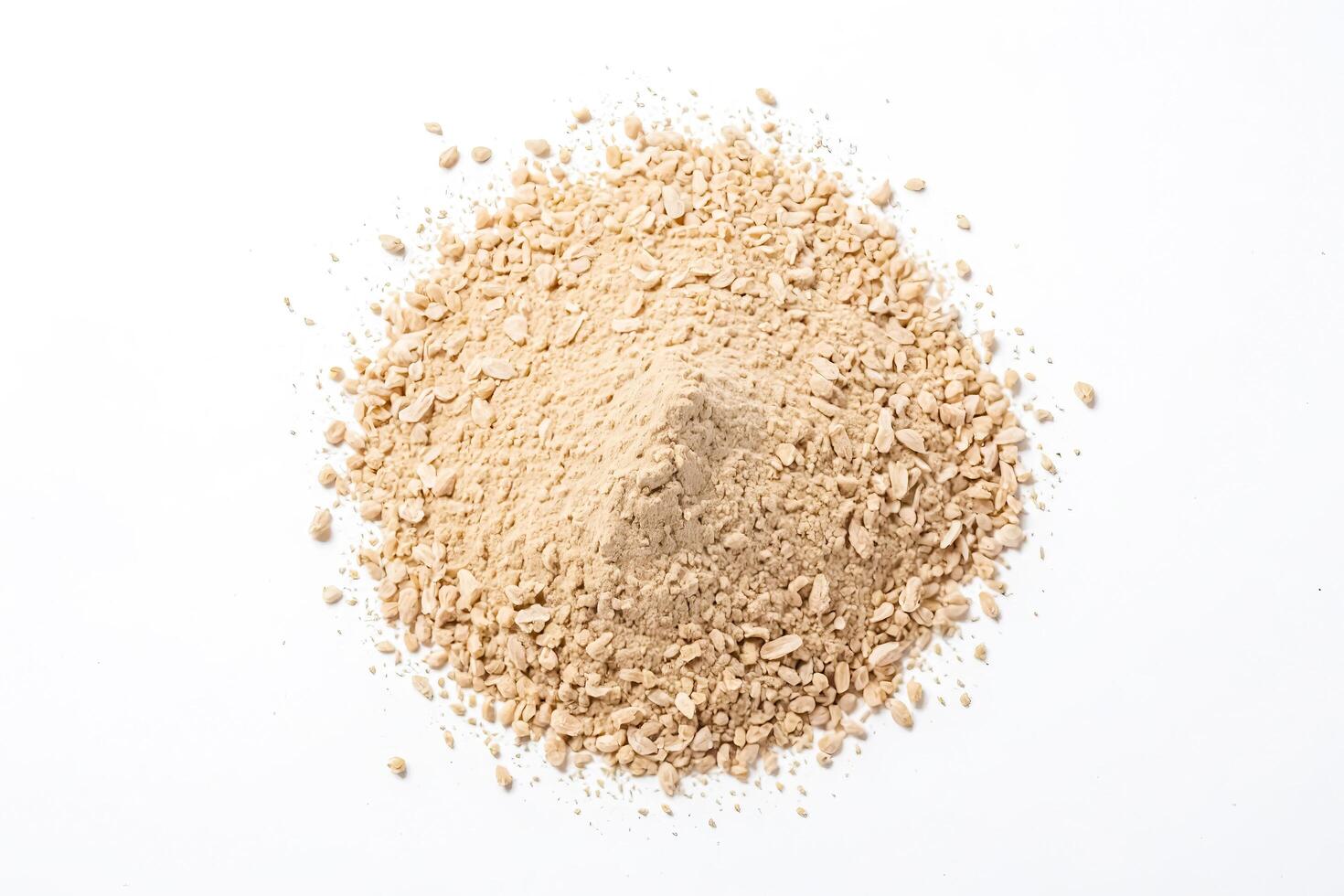
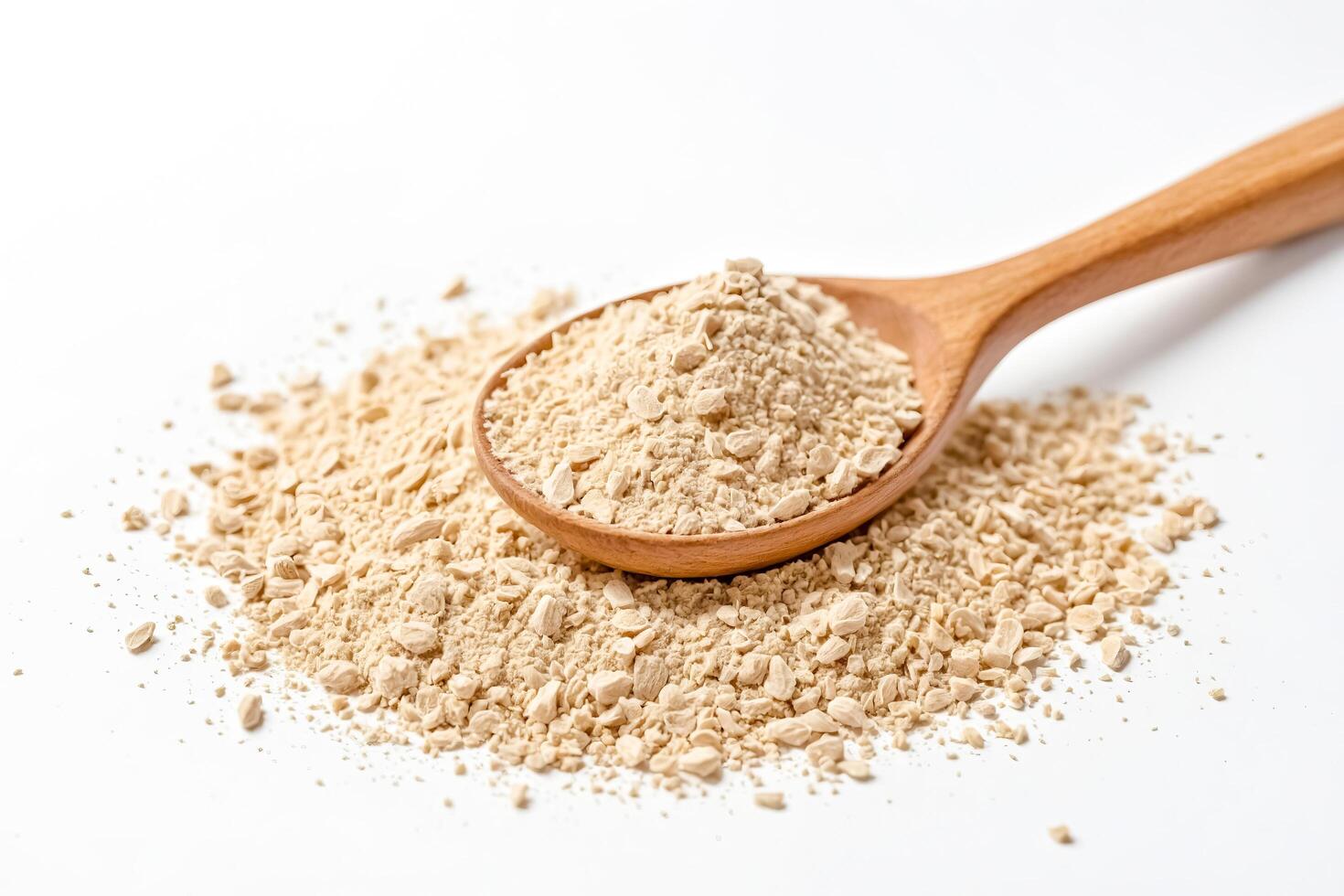
Is Inactive Yeast Gluten Free?

Is Inactive Yeast Gluten Free?

Inactive yeast itself is typically gluten-free, as it does not naturally contain gluten. However, it’s important to check the specific product label or with the manufacturer to ensure there hasn’t been any cross-contamination during processing or if any gluten-containing additives have been included.

TL;DR

Inactive yeast itself is typically gluten-free, as it does not naturally contain gluten. However, it’s important to check the specific product label or with the manufacturer to ensure there hasn’t been any cross-contamination during processing or if any gluten-containing additives have been included.

Quick Tips

1

Rich source of B-complex vitamins, especially B12 (in fortified varieties)

2

High in protein and essential amino acids

3

Contains minerals like zinc, selenium, and manganese

# In This Article

3 sections

Quick navigation to each section of this article:

1 Benefits of Inactive Yeast

Rich source of B-complex vitamins, especially B12 (in fortified varieties)

Jump
2 Who should avoid Inactive Yeast

People with yeast allergies: Those allergic to yeast should avoid all forms of yeast, including inactive yeast.

Jump
3 Related Gluten Free Products

Here are five similar gluten-free options to Inactive Yeast, along with short descriptions:

Jump

Benefits of Inactive Yeast

Benefits of Inactive Yeast
Rich source of B-complex vitamins, especially B12 (in fortified varieties)
High in protein and essential amino acids
Contains minerals like zinc, selenium, and manganese
Good source of dietary fiber
Low in fat and calories
Provides antioxidants, particularly glutathione
May support immune system function
Can help maintain healthy skin, hair, and nails
Potentially beneficial for digestive health
May help lower cholesterol levels
Contains compounds that may have anti-inflammatory properties
Can be used as a flavor enhancer for those reducing salt intake
Suitable for vegetarians and vegans as a nutrient supplement
May help regulate blood sugar levels
Contains chromium, which may aid in glucose metabolismRemember that while inactive yeast offers these potential benefits, it’s always best to consult with a healthcare professional before making significant changes to your diet or supplement regimen.

Who should avoid Inactive Yeast

Who should avoid Inactive Yeast
People with yeast allergies: Those allergic to yeast should avoid all forms of yeast, including inactive yeast.
Individuals with inflammatory bowel disease (IBD): Some people with Crohn’s disease or ulcerative colitis may experience worsened symptoms when consuming yeast products.
Those with candida overgrowth: Although inactive yeast is not alive, some people with candida issues may prefer to avoid yeast-based products.
People on a low-FODMAP diet: Inactive yeast is high in mannitol, a type of FODMAP that can cause digestive issues in sensitive individuals.
Individuals taking certain medications: Inactive yeast may interact with some medications, such as MAO inhibitors used to treat depression.
People with gout: Yeast is high in purines, which can exacerbate gout symptoms in some individuals.
Those with autoimmune conditions: Some people with autoimmune disorders may be sensitive to yeast products.
Individuals on a low-sodium diet: Inactive yeast is often high in sodium and may not be suitable for those restricting salt intake.Always consult with a healthcare professional before making significant changes to your diet, especially if you have underlying health conditions or concerns.
ENJOY YOUR FAVORITE FOODS FEARLESSLY!
Don’t let gluten hold you back. Take Anti-Gluten Pills before your meal and enjoy peace of mind.
SHOP ANTI-GLUTEN PILLS
Clinically proven · Up to 86% gluten reduction · Fast acting

Here are five similar gluten-free options to Inactive Yeast, along with short descriptions:

Related Gluten Free Products
Nutritional Yeast: A deactivated yeast product with a nutty, cheesy flavor. It's rich in B-vitamins and often used as a cheese substitute in vegan dishes.
Brewer's Yeast: A byproduct of beer-making, it's deactivated and dried. It has a bitter taste and is high in B-vitamins and minerals. Often used as a nutritional supplement.
Yeast Extract: A concentrated yeast product with a strong, savory flavor. It's commonly used as a flavoring agent in foods and is rich in umami taste.
Torula Yeast: A type of yeast grown on wood sugars. It has a smoky, meaty flavor and is often used as a flavor enhancer in savory foods.
Autolyzed Yeast: A form of yeast where the cells are broken down. It has a savory flavor and is used as a flavor enhancer, particularly in vegetarian and vegan products.These options are all gluten-free and can be used in various ways for flavoring or nutritional purposes, similar to Inactive Yeast.

Health Information

? Frequently Asked Questions

4 questions
1 Is inactive dry yeast gluten-free?
Inactive dry yeast is typically gluten-free. However, it's important to check the specific brand and packaging for any potential cross-contamination or added ingredients. Most reputable manufacturers produce inactive dry yeast in gluten-free facilities. For those with celiac disease or gluten sensitivity, it's always best to look for products specifically labeled as gluten-free.
2 Can celiacs eat yeast?
Yes, celiacs can generally eat yeast. Yeast itself does not contain gluten, which is the protein that celiacs must avoid. However, it's important to ensure that the yeast product is not contaminated with gluten during processing or mixed with gluten-containing ingredients. Always check labels and choose products specifically labeled as gluten-free to be safe.
3 What is inactive yeast made of?
Inactive yeast is made of deactivated Saccharomyces cerevisiae, a species of yeast commonly used in baking and brewing. It is produced by heating and drying live yeast cells, which kills them and stops their fermentation abilities. The resulting product retains the nutritional benefits of yeast, including B vitamins, proteins, and minerals. Inactive yeast has a nutty, cheesy flavor and is often used as a nutritional supplement or flavor enhancer in various foods.
4 Which yeast is best for gluten-free bread?
For gluten-free bread, active dry yeast or instant yeast are generally considered the best options. These types of yeast are readily available and work well with gluten-free flours. They provide reliable rising action and help create a good texture in the final bread product. It's important to note that the specific yeast choice may vary depending on the recipe and personal preference.
LIVE GLUTEN-FREE WITHOUT THE FUSS!
Introducing Tolerase® G, clinically proven to reduce up to 86% of gluten in under 10 minutes. Experience the freedom to eat what you love.
SHOP ANTI-GLUTEN PILLS
150mg pure Tolerase® G · Reduces gluten by 86% · Under 10 minutes

Our Expert

Drs. Ilse van Asperen, Orthomolecular Therapist and Nutritional Coach

Drs. Ilse van Asperen

Orthomolecular Therapist, Nutritional Coach & Professional Editor

Drs. Ilse van Asperen is a medical doctor specialising in orthomolecular therapy and nutritional coaching. With a background in public and clinical health research and management, she focuses on addressing the root causes of health issues through diet, gut health, and stress reduction. As a professional editor for Little Helpers, she reviews all gluten-free content to ensure accuracy, safety, and scientific credibility. Read more on Drs. Ilse van Asperen's own website

Our Sources

The information on this page is based on reputable health and nutrition organisations, ensuring accuracy and reliability for anyone following a gluten-free diet. For further details, see the sources below.
Sources

Similar Articles

Back to blog