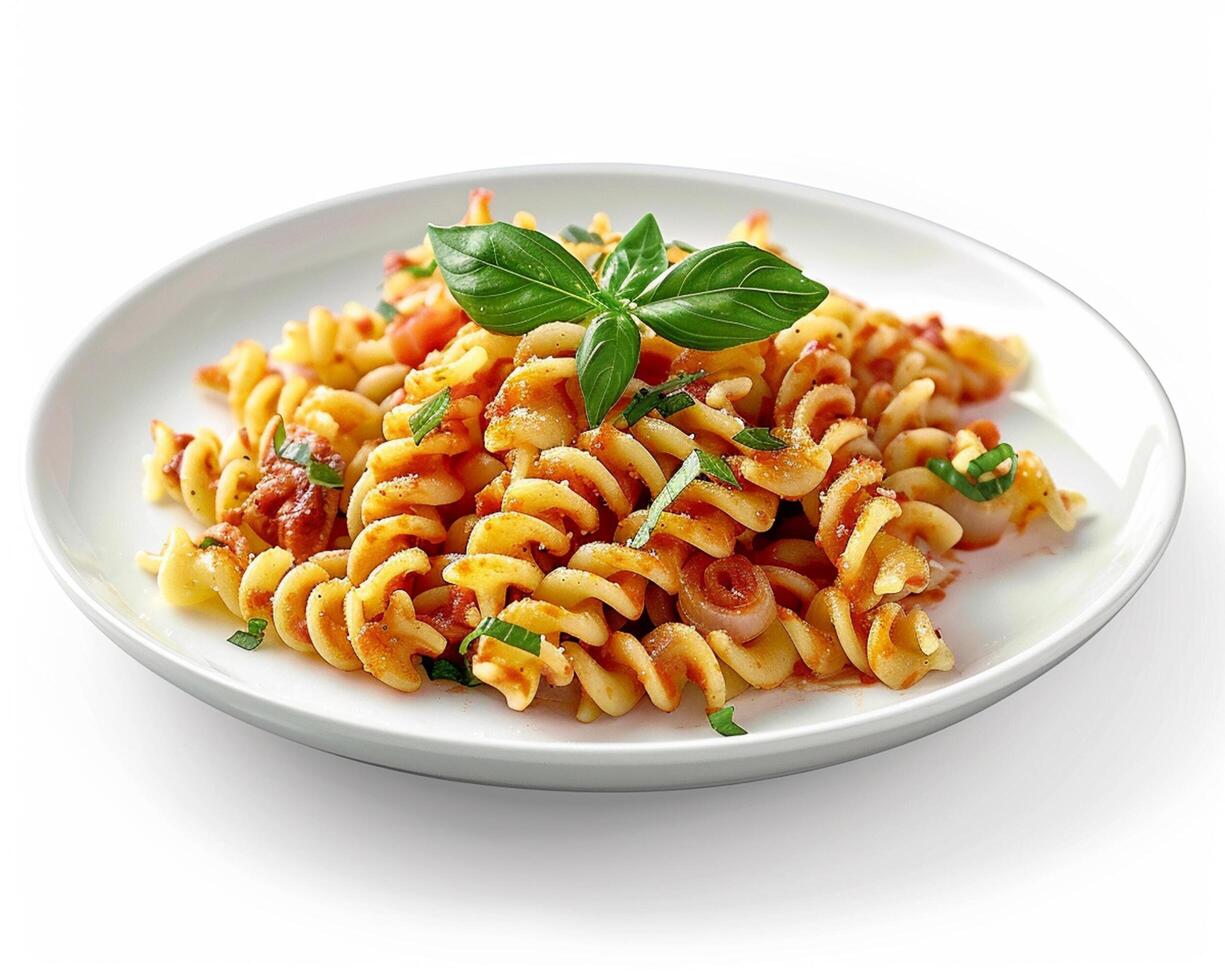
Is Soy Protein Gluten Free?

Is Soy Protein Gluten Free?

Yes, soy protein is naturally gluten-free. However, it’s important to check product labels, as some processed soy products may contain added gluten or be manufactured in facilities that also process gluten-containing ingredients, potentially leading to cross-contamination.

TL;DR

Yes, soy protein is naturally gluten-free. However, it’s important to check product labels, as some processed soy products may contain added gluten or be manufactured in facilities that also process gluten-containing ingredients, potentially leading to cross-contamination.

Quick Tips

1

Excellent source of complete protein: Contains all essential amino acids

2

Heart health: May help lower LDL (bad) cholesterol and reduce risk of cardiovascular disease

3

Weight management: Low in calories and fat, high in protein, which can aid in weight loss and maintenance

# In This Article

3 sections

Quick navigation to each section of this article:

1 Benefits of Soy Protein

Excellent source of complete protein: Contains all essential amino acids

Jump
2 Who should avoid Soy Protein

People with soy allergies: Soy is one of the eight most common food allergens.

Jump
3 Related Gluten Free Products

Here are five similar gluten-free protein options to soy protein, along with short descriptions:

Jump

Benefits of Soy Protein

Benefits of Soy Protein
Excellent source of complete protein: Contains all essential amino acids
Heart health: May help lower LDL (bad) cholesterol and reduce risk of cardiovascular disease
Weight management: Low in calories and fat, high in protein, which can aid in weight loss and maintenance
Bone health: Contains isoflavones that may help maintain bone density, especially in postmenopausal women
Menopausal symptom relief: May reduce hot flashes and other menopausal symptoms
Cancer prevention: Some studies suggest it may lower risk of certain cancers, such as breast and prostate cancer
Muscle building: Supports muscle growth and repair when combined with resistance training
Blood sugar regulation: May help improve insulin sensitivity and glucose metabolism
Antioxidant properties: Contains compounds that can help protect cells from damage caused by free radicals
Skin health: May help improve skin elasticity and reduce wrinkles due to its isoflavone content
Vegetarian/vegan friendly: Excellent plant-based protein source for those following meat-free diets
Digestive health: Contains fiber that can promote healthy digestion and gut bacteria.
Remember that while soy protein has many potential benefits, it’s always best to consult with a healthcare professional before making significant changes to your diet.

Who should avoid Soy Protein

Who should avoid Soy Protein
People with soy allergies: Soy is one of the eight most common food allergens.
Individuals with thyroid disorders: Soy may interfere with thyroid hormone absorption, particularly in people with iodine deficiency.
Those with estrogen-sensitive conditions: Soy contains phytoestrogens, which may affect conditions like breast cancer, endometriosis, or uterine fibroids.
People taking certain medications: Soy can interact with some medications, such as thyroid hormone replacement drugs or blood thinners.
Infants with milk allergies or sensitivities: Soy-based infant formulas may not be suitable alternatives.
Those with gout or at risk for gout: Soy contains purines, which can increase uric acid levels.
Individuals with kidney stones: Soy is high in oxalates, which may contribute to kidney stone formation in susceptible people.
People with digestive issues: Some may experience gastrointestinal discomfort from soy consumption.
Those concerned about GMOs: Many soy products are made from genetically modified soybeans.
Individuals following specific diets: Some diets, like the Paleo diet, exclude soy products.
Always consult with a healthcare professional for personalized advice regarding dietary restrictions.
ENJOY YOUR FAVORITE FOODS FEARLESSLY!
Don’t let gluten hold you back. Take Anti-Gluten Pills before your meal and enjoy peace of mind.
SHOP ANTI-GLUTEN PILLS
Clinically proven · Up to 86% gluten reduction · Fast acting

Here are five similar gluten-free protein options to soy protein, along with short descriptions:

Related Gluten Free Products
Pea Protein:Derived from yellow split peas, this plant-based protein is easily digestible and rich in essential amino acids. It's hypoallergenic and has a smooth texture, making it popular in protein powders and meat alternatives.
Rice Protein:Made from brown rice, this protein is gentle on the stomach and hypoallergenic. It's low in lysine but can be combined with other protein sources to create a complete amino acid profile. It's often used in protein bars and shakes.
Hemp Protein:Extracted from hemp seeds, this protein is rich in omega-3 fatty acids and contains all nine essential amino acids. It has a nutty flavor and is often used in smoothies, baked goods, and as a protein supplement.
Quinoa Protein:Derived from the quinoa seed, this complete protein contains all essential amino acids. It's easily digestible and has a mild, slightly nutty flavor. It's commonly used in protein powders, bars, and as a flour substitute in baking.
Pumpkin Seed Protein:Made from ground pumpkin seeds, this protein is rich in zinc, iron, and omega-3 fatty acids. It has a slightly sweet, nutty flavor and is often used in protein powders, baked goods, and as a supplement in smoothies.

Health Information

? Frequently Asked Questions

4 questions
1 Can celiacs eat soy protein?
Yes, celiacs can generally eat soy protein safely. Soy is naturally gluten-free and is not one of the grains that contain gluten. However, it's important for celiacs to check labels carefully, as some soy products may be processed in facilities that also handle wheat or other gluten-containing ingredients. As long as the soy protein is certified gluten-free or processed in a dedicated gluten-free facility, it should be safe for celiacs to consume.
2 Does soy protein powder have gluten?
Soy protein powder is naturally gluten-free. However, cross-contamination during processing can sometimes occur. It's important to check the product label for any gluten-containing ingredients or cross-contamination warnings. To be certain, look for soy protein powders that are specifically labeled as gluten-free.
3 Why is soy sauce not gluten-free?
Soy sauce traditionally contains wheat as one of its main ingredients. The wheat provides proteins and starches that contribute to the fermentation process and final flavor. While there are gluten-free soy sauce alternatives made with rice instead of wheat, most standard soy sauces are not gluten-free. People with celiac disease or gluten sensitivity should be cautious and check labels carefully when consuming soy sauce.
4 Can celiacs have hydrolyzed soy protein?
Hydrolyzed soy protein is generally considered safe for most people with celiac disease. The hydrolysis process breaks down the protein into smaller components, which typically eliminates the gluten content. However, it's important for celiacs to check product labels carefully, as some hydrolyzed soy proteins may be derived from wheat or processed in facilities that handle gluten-containing ingredients. If in doubt, individuals with celiac disease should consult their doctor or a registered dietitian for personalized advice.
LIVE GLUTEN-FREE WITHOUT THE FUSS!
Introducing Tolerase® G, clinically proven to reduce up to 86% of gluten in under 10 minutes. Experience the freedom to eat what you love.
SHOP ANTI-GLUTEN PILLS
150mg pure Tolerase® G · Reduces gluten by 86% · Under 10 minutes

Our Expert

Drs. Ilse van Asperen, Orthomolecular Therapist and Nutritional Coach

Drs. Ilse van Asperen

Orthomolecular Therapist, Nutritional Coach & Professional Editor

Drs. Ilse van Asperen is a medical doctor specialising in orthomolecular therapy and nutritional coaching. With a background in public and clinical health research and management, she focuses on addressing the root causes of health issues through diet, gut health, and stress reduction. As a professional editor for Little Helpers, she reviews all gluten-free content to ensure accuracy, safety, and scientific credibility. Read more on Drs. Ilse van Asperen's own website

Our Sources

The information on this page is based on reputable health and nutrition organisations, ensuring accuracy and reliability for anyone following a gluten-free diet. For further details, see the sources below.
Sources

Similar Articles

Back to blog