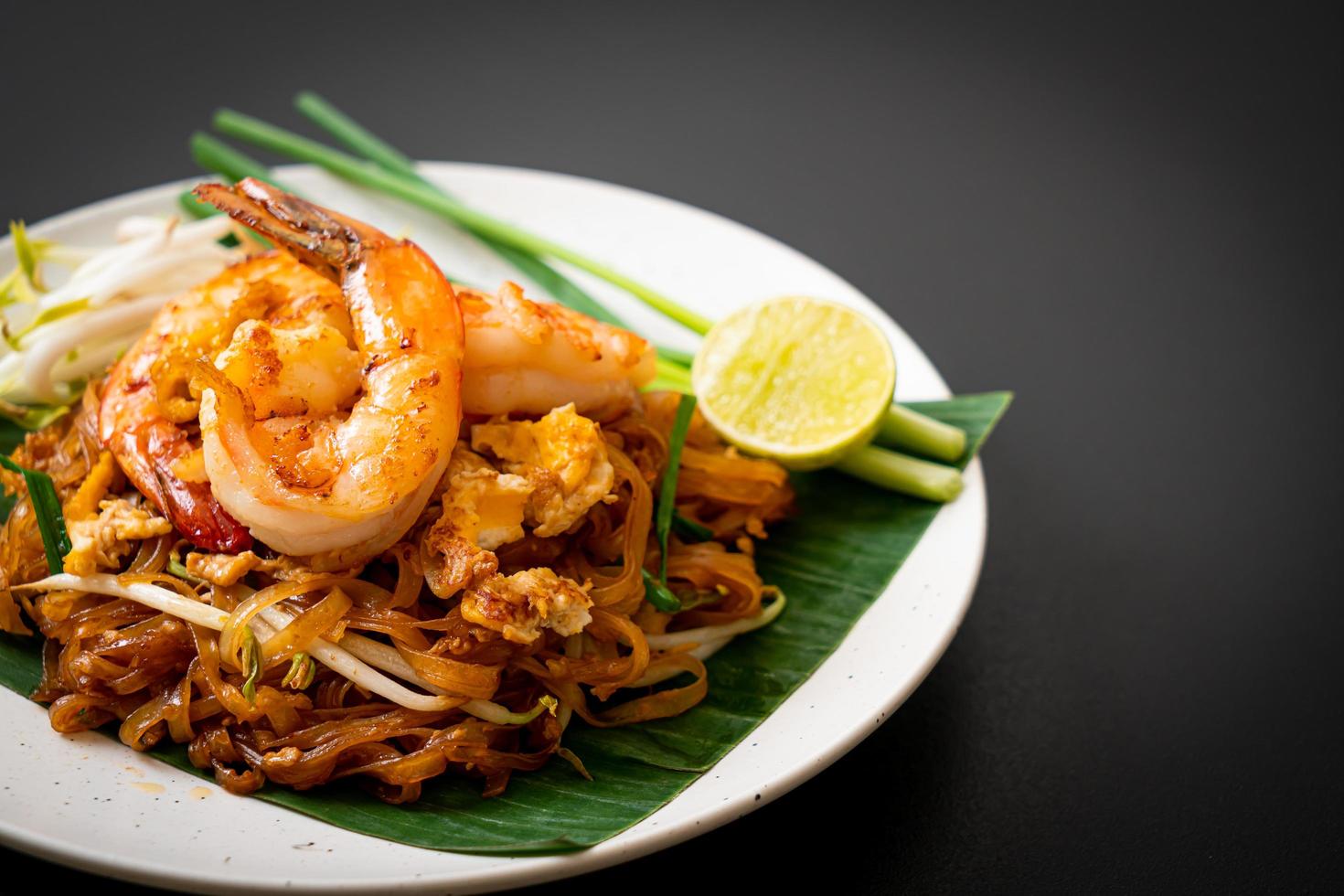
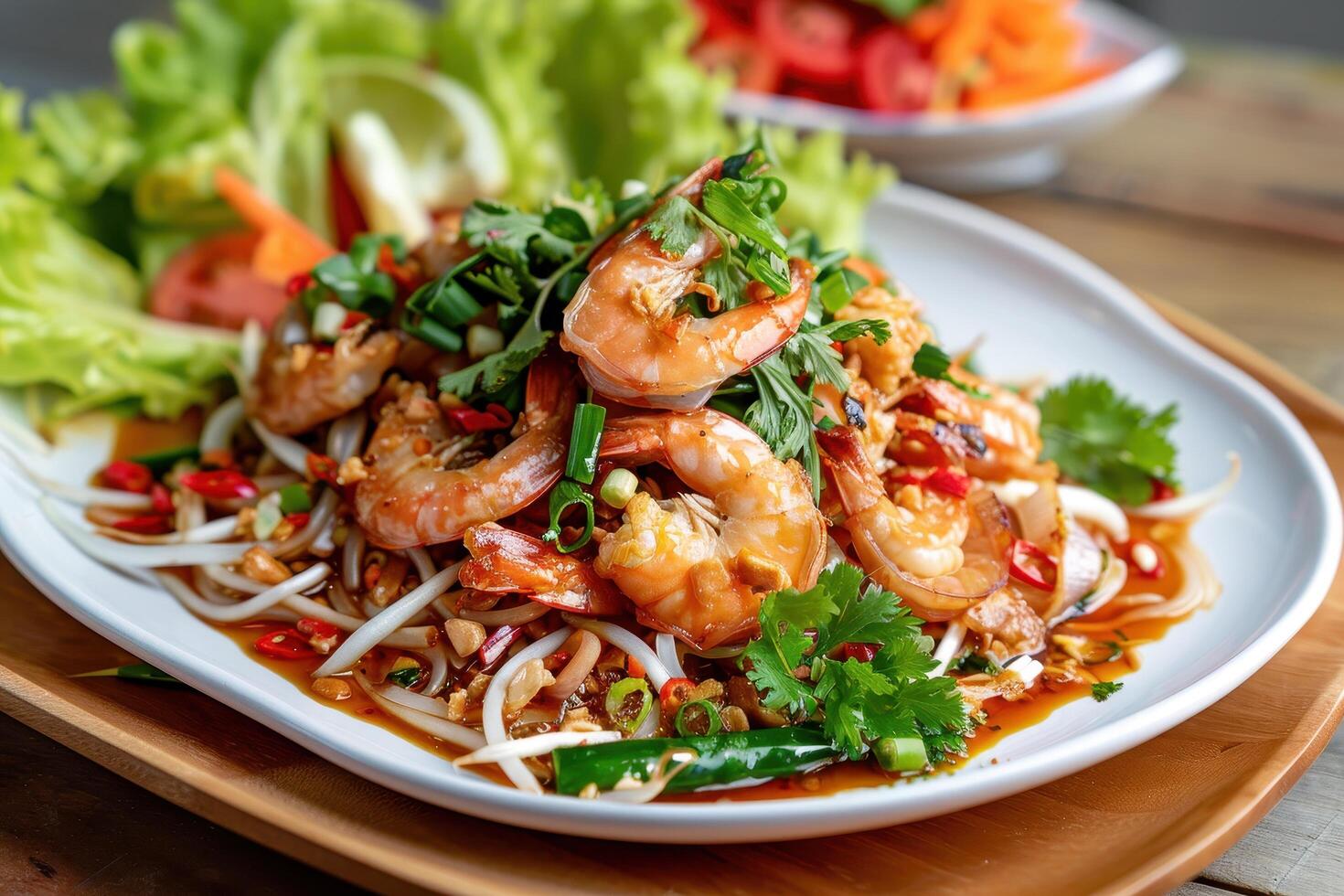
Is Thai Gluten Free?

Is Thai Gluten Free?

Thai cuisine is generally gluten-free as it primarily uses rice-based noodles, rice, and gluten-free sauces like fish sauce and tamari. However, some Thai restaurants may use soy sauce containing wheat or other gluten-containing ingredients, so it’s always best to ask about specific dishes if you have celiac disease or gluten sensitivity.

TL;DR

Thai cuisine is generally gluten-free as it primarily uses rice-based noodles, rice, and gluten-free sauces like fish sauce and tamari. However, some Thai restaurants may use soy sauce containing wheat or other gluten-containing ingredients, so it’s always best to ask about specific dishes if you have celiac disease or gluten sensitivity.

Quick Tips

1

High in vegetables: Many Thai dishes incorporate a variety of fresh vegetables, providing essential vitamins and minerals.

2

Herbs and spices: Thai food uses numerous herbs and spices like turmeric, ginger, and lemongrass, which have anti-inflammatory and antioxidant properties.

3

Lean proteins: Many Thai dishes feature lean proteins like fish, chicken, and tofu, which are beneficial for muscle health and weight management.

# In This Article

3 sections

Quick navigation to each section of this article:

1 Benefits of Thai

High in vegetables: Many Thai dishes incorporate a variety of fresh vegetables, providing essential vitamins and minerals.

Jump
2 Who should avoid Thai

People with severe peanut allergies, as peanuts are common in Thai cuisine

Jump
3 Related Gluten Free Products

Here are five gluten-free options similar to Thaiand, along with short descriptions:

Jump

Benefits of Thai

Benefits of Thai
High in vegetables: Many Thai dishes incorporate a variety of fresh vegetables, providing essential vitamins and minerals.
Herbs and spices: Thai food uses numerous herbs and spices like turmeric, ginger, and lemongrass, which have anti-inflammatory and antioxidant properties.
Lean proteins: Many Thai dishes feature lean proteins like fish, chicken, and tofu, which are beneficial for muscle health and weight management.
Coconut milk: Often used in Thai curries, coconut milk contains medium-chain triglycerides (MCTs) that may boost metabolism and support heart health.
Low in dairy: Thai cuisine typically uses little to no dairy, making it suitable for those with lactose intolerance.
Fiber-rich: The use of brown rice, vegetables, and legumes in many dishes provides a good source of dietary fiber.
Chili peppers: These contain capsaicin, which may boost metabolism and have pain-relieving properties.
Seafood: Many Thai dishes incorporate seafood, which is rich in omega-3 fatty acids and beneficial for heart and brain health.
Garlic: Commonly used in Thai cooking, garlic has antibacterial and antiviral properties.
Balanced meals: Thai cuisine often combines proteins, carbohydrates, and healthy fats in a single dish, promoting a balanced diet.
Remember that the healthiness of any cuisine depends on specific ingredients, preparation methods, and portion sizes.

Who should avoid Thai

Who should avoid Thai
People with severe peanut allergies, as peanuts are common in Thai cuisine
Individuals with shellfish allergies, as many Thai dishes contain shrimp or other seafood
Those with extreme sensitivity to spicy foods, as Thai cuisine can be quite hot
People with celiac disease or gluten sensitivity, as some Thai sauces may contain gluten
Individuals with soy allergies, as soy sauce is frequently used in Thai cooking
Those on low-sodium diets, as fish sauce and other salty condiments are common
People with coconut allergies, as coconut milk is a staple in many Thai dishes
Individuals with citrus allergies, as lime juice is often used in Thai cuisine
Those with specific dietary restrictions (e.g., vegans, vegetarians) should be cautious and ask about ingredients
People with MSG sensitivity, as some Thai restaurants may use MSG in their dishes
Individuals with diabetes should be mindful of the sugar content in some Thai sauces and dessertsRemember that many Thai restaurants can accommodate various dietary needs, so it’s always best to communicate your restrictions or allergies to the staff.
ENJOY YOUR FAVORITE FOODS FEARLESSLY!
Don’t let gluten hold you back. Take Anti-Gluten Pills before your meal and enjoy peace of mind.
SHOP ANTI-GLUTEN PILLS
Clinically proven · Up to 86% gluten reduction · Fast acting

Here are five gluten-free options similar to Thaiand, along with short descriptions:

Related Gluten Free Products
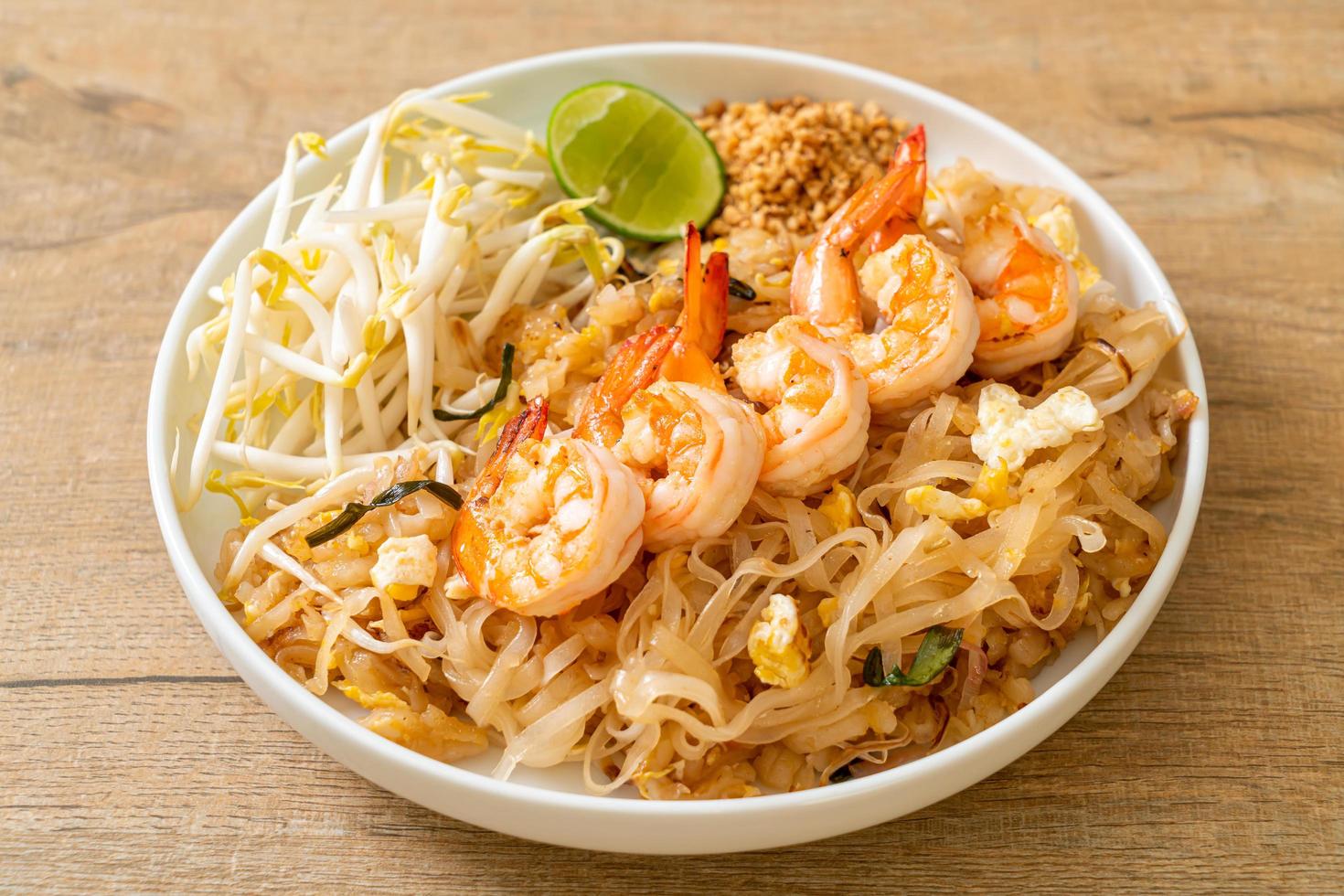
Rice noodles: Thin, translucent noodles made from rice flour and water. They're a common substitute for wheat-based noodles in many Asian dishes and are naturally gluten-free.
Vermicelli: Very thin, round noodles made from rice flour. They cook quickly and are often used in soups, spring rolls, and stir-fries. Vermicelli is gluten-free and a staple in many Southeast Asian cuisines.
Glass noodles: Also known as cellophane noodles, these transparent noodles are made from mung bean starch. They have a slightly chewy texture and are gluten-free, commonly used in soups and salads.
Shirataki noodles: Low-calorie, translucent noodles made from konjac yam. They're gluten-free, virtually carb-free, and often used as a pasta substitute in various dishes.
Soba noodles (100% buckwheat): Traditional Japanese noodles made entirely from buckwheat flour. While some soba noodles contain wheat, 100% buckwheat soba is gluten-free and has a nutty flavor.

Health Information

? Frequently Asked Questions

4 questions
1 Is Thai usually gluten-free?
Thai cuisine is generally quite gluten-free friendly. Many traditional Thai dishes use rice-based noodles and ingredients that don't contain gluten. However, some Thai restaurants may use soy sauce or other wheat-based ingredients in certain dishes. It's always best to ask about specific ingredients and preparation methods if you have celiac disease or gluten sensitivity.
2 Why is pad thai not gluten-free?
Pad Thai is not inherently gluten-free due to several ingredients commonly used in its preparation. The main culprit is often the soy sauce, which typically contains wheat as a key ingredient. Additionally, some recipes may include oyster sauce or fish sauce, which can also contain gluten. While the rice noodles themselves are gluten-free, cross-contamination during preparation or the use of shared cooking surfaces can introduce gluten to the dish.
3 Can celiacs eat pad Thai?
Celiacs generally cannot eat traditional pad Thai. The dish typically contains soy sauce, which often has wheat as an ingredient. However, it may be possible to make a gluten-free version using tamari or gluten-free soy sauce instead. Celiacs should always check ingredient lists carefully or ask about gluten-free options when ordering at restaurants.
4 Do Thai rice noodles have gluten?
Thai rice noodles are typically gluten-free. They are made primarily from rice flour and water. However, it's important to check the ingredient list or packaging to be certain, as some manufacturers may add wheat flour or other gluten-containing ingredients. Always verify with the specific brand or restaurant if you have celiac disease or gluten sensitivity.
LIVE GLUTEN-FREE WITHOUT THE FUSS!
Introducing Tolerase® G, clinically proven to reduce up to 86% of gluten in under 10 minutes. Experience the freedom to eat what you love.
SHOP ANTI-GLUTEN PILLS
150mg pure Tolerase® G · Reduces gluten by 86% · Under 10 minutes

Our Expert

Drs. Ilse van Asperen, Orthomolecular Therapist and Nutritional Coach

Drs. Ilse van Asperen

Orthomolecular Therapist, Nutritional Coach & Professional Editor

Drs. Ilse van Asperen is a medical doctor specialising in orthomolecular therapy and nutritional coaching. With a background in public and clinical health research and management, she focuses on addressing the root causes of health issues through diet, gut health, and stress reduction. As a professional editor for Little Helpers, she reviews all gluten-free content to ensure accuracy, safety, and scientific credibility. Read more on Drs. Ilse van Asperen's own website

Our Sources

The information on this page is based on reputable health and nutrition organisations, ensuring accuracy and reliability for anyone following a gluten-free diet. For further details, see the sources below.
Sources

Similar Articles

Back to blog