Share
TL;DR
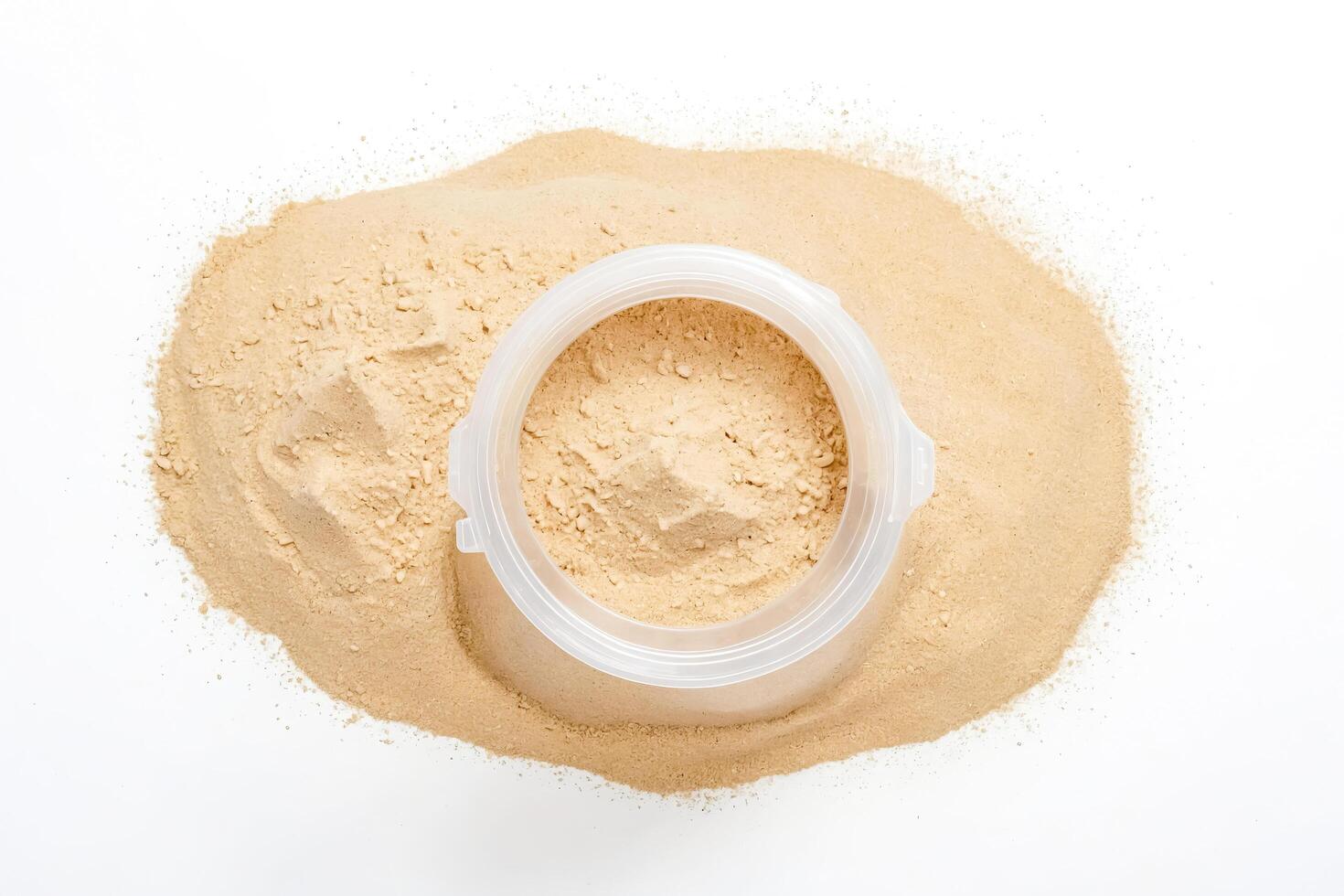
Wheat protein is not gluten-free, as it contains gluten, which is the primary protein found in wheat. Gluten is a complex protein that gives wheat-based products their characteristic texture and structure, and it is precisely what people with celiac disease or gluten sensitivity need to avoid.
Quick Tips
1High-quality protein source: Wheat protein is a complete protein containing all essential amino acids needed for muscle growth and repair.
2Low in fat: It’s naturally low in fat, making it a good option for those watching their fat intake.
3Cholesterol-free: Wheat protein contains no cholesterol, which can be beneficial for heart health.
# In This Article
3 sectionsQuick navigation to each section of this article:
1 Benefits of Wheat Protein
High-quality protein source: Wheat protein is a complete protein containing all essential amino acids needed for muscle growth and repair.
Jump2 Who should avoid Wheat Protein
Those with celiac disease
Jump3 Gluten Free Alternatives
Here are five gluten-free alternatives to wheat protein, along with short descriptions:
JumpBenefits of Wheat Protein
| Benefits of Wheat Protein |
|---|
| High-quality protein source: Wheat protein is a complete protein containing all essential amino acids needed for muscle growth and repair. |
| Low in fat: It’s naturally low in fat, making it a good option for those watching their fat intake. |
| Cholesterol-free: Wheat protein contains no cholesterol, which can be beneficial for heart health. |
| Rich in minerals: It provides iron, selenium, and zinc, which are important for various bodily functions. |
| Good source of B vitamins: Wheat protein contains B vitamins, including thiamin and riboflavin, which are essential for energy metabolism. |
| May support weight management: Its high protein content can help increase satiety and reduce overall calorie intake. |
| Suitable for vegetarians and vegans: It’s a plant-based protein source, making it ideal for those following meat-free diets. |
| May help lower blood pressure: Some studies suggest that wheat protein may have a positive effect on blood pressure. |
| Potentially beneficial for muscle maintenance: The amino acid profile of wheat protein can support muscle preservation, especially in older adults. |
| Versatile and easily digestible: Wheat protein is easy to incorporate into various dishes and is generally well-tolerated by most people.Remember that wheat protein is not suitable for individuals with celiac disease or gluten sensitivity. |
Who should avoid Wheat Protein
| Who should avoid Wheat Protein |
|---|
| Those with celiac disease |
| Individuals with wheat allergies |
| People with non-celiac gluten sensitivity |
| Those following a gluten-free diet for other health reasons |
| Individuals with wheat intolerance |
| People with dermatitis herpetiformis (a skin condition associated with gluten sensitivity) |
| Those with baker’s asthma (an occupational allergy to wheat flour) |
| Individuals following certain low-carb or grain-free diets |
| People with irritable bowel syndrome (IBS) who find wheat triggers symptoms |
| Those with certain autoimmune conditions who may benefit from avoiding gluten |
| Individuals with gluten ataxia (a neurological condition linked to gluten consumption) |
| People trying to manage inflammation through diet (as wheat can be inflammatory for some)Remember, it’s always best to consult with a healthcare professional or registered dietitian before making significant changes to your diet. |
Gluten Free Alternatives
Here are five gluten-free alternatives to wheat protein, along with short descriptions:
| Gluten Free Alternatives |
|---|
| Pea Protein:Derived from yellow split peas, this plant-based protein is highly digestible and rich in essential amino acids. It has a mild flavor and is often used in protein powders, meat alternatives, and baked goods. |
| Rice Protein:Extracted from brown rice, this hypoallergenic protein is easily digestible and has a complete amino acid profile. It's commonly used in protein supplements, energy bars, and as a thickener in gluten-free products. |
| Hemp Protein:Made from ground hemp seeds, this protein is rich in omega-3 fatty acids and fiber. It has a nutty flavor and contains all nine essential amino acids, making it popular in smoothies, baked goods, and plant-based protein powders. |
| Soy Protein:Derived from soybeans, this complete protein is highly versatile and widely used in meat alternatives, dairy-free products, and protein supplements. It's known for its ability to improve texture in gluten-free baked goods. |
| Chickpea Protein:Extracted from chickpeas (garbanzo beans), this protein is high in fiber and essential amino acids. It has a neutral flavor and is often used in gluten-free baking, plant-based meat alternatives, and protein supplements. |
Health Information
? Frequently Asked Questions
4 questions1 Does wheat protein contain gluten?
2 Can celiacs use shampoo with wheat protein?
3 Are wheat protein and wheat gluten the same thing?
4 What is wheat protein made of?
Our Expert
Drs. Ilse van Asperen
Orthomolecular Therapist, Nutritional Coach & Professional Editor
Drs. Ilse van Asperen is a medical doctor specialising in orthomolecular therapy and nutritional coaching. With a background in public and clinical health research and management, she focuses on addressing the root causes of health issues through diet, gut health, and stress reduction. As a professional editor for Little Helpers, she reviews all gluten-free content to ensure accuracy, safety, and scientific credibility. Read more on Drs. Ilse van Asperen's own website
Our Sources
The information on this page is based on reputable health and nutrition organisations, ensuring accuracy and reliability for anyone following a gluten-free diet. For further details, see the sources below.