Share
TL;DR
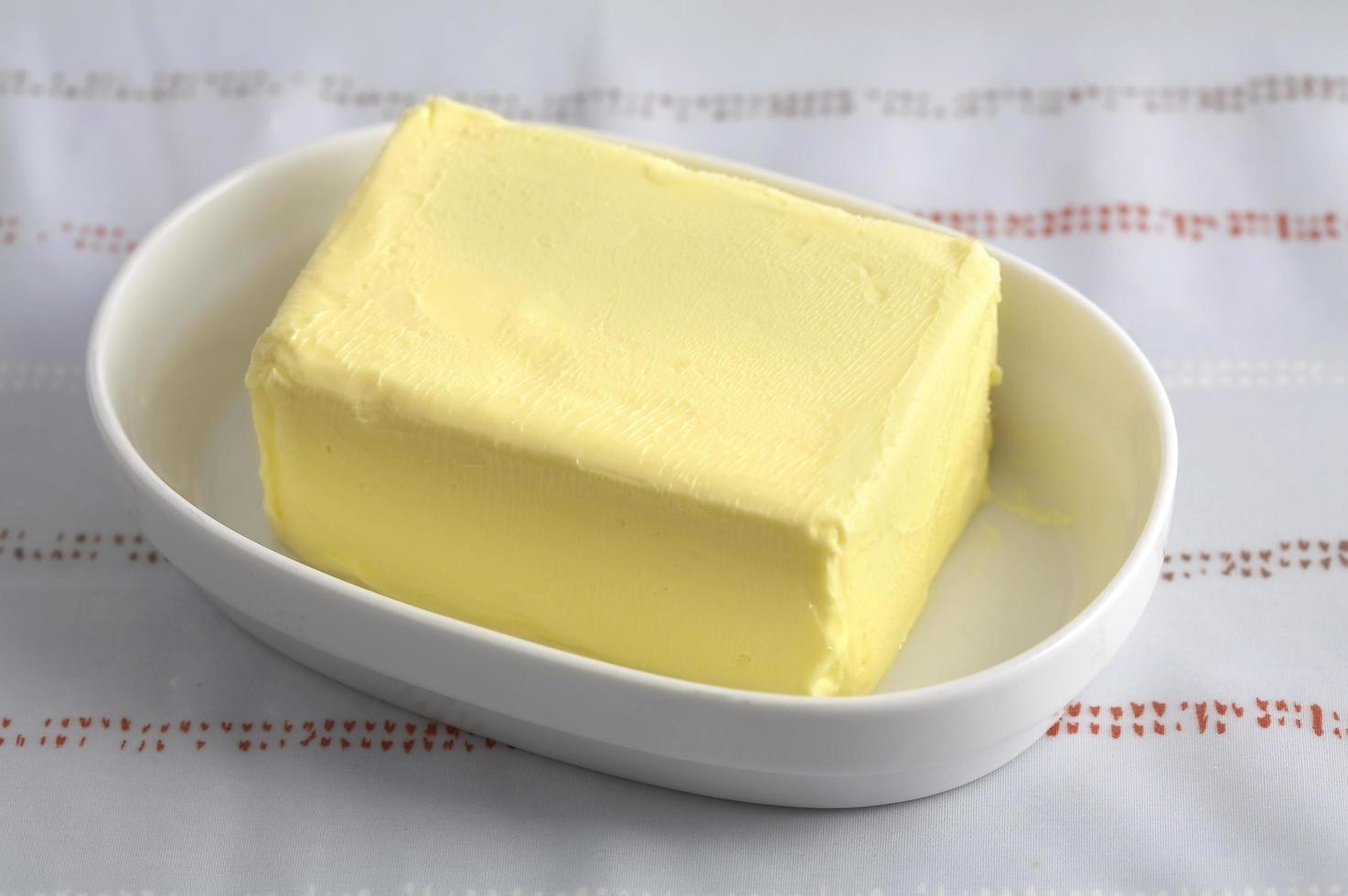
Yes, unsalted butter is naturally gluten-free. Pure butter is made from cream and contains no gluten-containing ingredients, making it safe for those with celiac disease or gluten sensitivity.
Quick Tips
1Rich in fat-soluble vitamins: Contains vitamins A, D, E, and K2
2Source of beneficial fatty acids: Contains conjugated linoleic acid (CLA) and butyrate
3Provides healthy saturated fats: May help improve cholesterol levels when consumed in moderation
# In This Article
3 sectionsQuick navigation to each section of this article:
1 Benefits of Unsalted Butter
Rich in fat-soluble vitamins: Contains vitamins A, D, E, and K2
Jump2 Who should avoid Unsalted Butter
People with dairy allergies or severe lactose intolerance
Jump3 Related Gluten Free Products
Here are five similar gluten-free options like Unsalted Butter, along with short descriptions:
JumpBenefits of Unsalted Butter
| Benefits of Unsalted Butter |
|---|
| Rich in fat-soluble vitamins: Contains vitamins A, D, E, and K2 |
| Source of beneficial fatty acids: Contains conjugated linoleic acid (CLA) and butyrate |
| Provides healthy saturated fats: May help improve cholesterol levels when consumed in moderation |
| Lower sodium content: Helps control blood pressure and reduces risk of heart disease |
| Contains antioxidants: May help protect against cell damage and inflammation |
| Good source of energy: Provides a concentrated source of calories |
| Supports bone health: Contains calcium and phosphorus |
| May aid in weight management: The high fat content can increase feelings of fullness |
| Potential anti-cancer properties: Some studies suggest butyrate may have anti-cancer effects |
| Supports brain function: Contains essential fatty acids important for cognitive health |
| Enhances nutrient absorption: Helps the body absorb fat-soluble vitamins from other foods |
| Natural source of iodine: Important for thyroid function |
| Contains trace minerals: Such as manganese, chromium, zinc, and selenium |
| May have anti-inflammatory properties: Due to its fatty acid profileRemember, while butter has health benefits, it should be consumed in moderation as part of a balanced diet due to its high calorie and saturated fat content. |
Who should avoid Unsalted Butter
| Who should avoid Unsalted Butter |
|---|
| People with dairy allergies or severe lactose intolerance |
| Individuals following a vegan or plant-based diet |
| Those on a very low-fat diet as prescribed by their doctor |
| People with certain gallbladder issues who need to restrict fat intake |
| Individuals with a history of high cholesterol who have been advised to limit saturated fats |
| Those following a strict calorie-restricted diet |
| People with milk protein allergies |
| Individuals with specific medical conditions that require them to avoid dairy productsIt’s important to note that for most of these groups, the issue is with butter in general, not specifically unsalted butter. In fact, unsalted butter might be preferable to salted butter for those watching their sodium intake. As always, it’s best to consult with a healthcare professional or registered dietitian for personalized dietary advice. |
Related Gluten Free Products
Here are five similar gluten-free options like Unsalted Butter, along with short descriptions:
| Related Gluten Free Products |
|---|
| Ghee: A type of clarified butter with a nutty flavor, commonly used in Indian cuisine. It has a higher smoke point than regular butter and is lactose-free. |
| Coconut Oil: A plant-based fat that is solid at room temperature and has a subtle coconut flavor. It's rich in medium-chain triglycerides and is often used in vegan baking. |
| Avocado: A nutrient-dense fruit that can be mashed and used as a spread or in baking. It's rich in healthy monounsaturated fats and provides a creamy texture. |
| Olive Oil: A liquid fat extracted from olives, known for its heart-healthy properties. It's commonly used in cooking and baking, especially in Mediterranean cuisine. |
| Nut Butters (e.g., almond butter, cashew butter): Made from ground nuts, these spreads are rich in protein and healthy fats. They can be used as a spread or in baking for added flavor and moisture. |
Health Information
? Frequently Asked Questions
4 questions1 Does unsalted butter have gluten in it?
2 What type of butter is gluten-free?
3 Why is butter not gluten-free?
4 Can you eat butter if you are celiac?
Our Expert
Drs. Ilse van Asperen
Orthomolecular Therapist, Nutritional Coach & Professional Editor
Drs. Ilse van Asperen is a medical doctor specialising in orthomolecular therapy and nutritional coaching. With a background in public and clinical health research and management, she focuses on addressing the root causes of health issues through diet, gut health, and stress reduction. As a professional editor for Little Helpers, she reviews all gluten-free content to ensure accuracy, safety, and scientific credibility. Read more on Drs. Ilse van Asperen's own website
Our Sources
The information on this page is based on reputable health and nutrition organisations, ensuring accuracy and reliability for anyone following a gluten-free diet. For further details, see the sources below.